YouTube Editing
The definition of cinematic editing is shifting. As short-form content dominates, true cinematic style relies on visual patience and calculated pacing, not outdated letterboxes and orange-and-teal LUTs.
For the last decade, the word "cinematic" in the freelance video world meant one thing: dropping 2.35:1 black bars over a 16:9 timeline, slapping on an M31 LUT, and adding a woosh sound effect to every transition.
But audiences have evolved. With platforms like TikTok training our brains to process visual information at double speed, the real mark of a "cinematic" edit today is entirely different.
Cinematic storytelling requires space. It requires trust in the viewer's ability to feel a moment without constant auditory or visual stimulation. While short-form content relies on a new cut every 2 seconds, cinematic long-form relies on holding a shot just long enough for it to become uncomfortable—and then cutting.
If you want to elevate your current projects, stop looking at presets and start looking at these three fundamental principles:

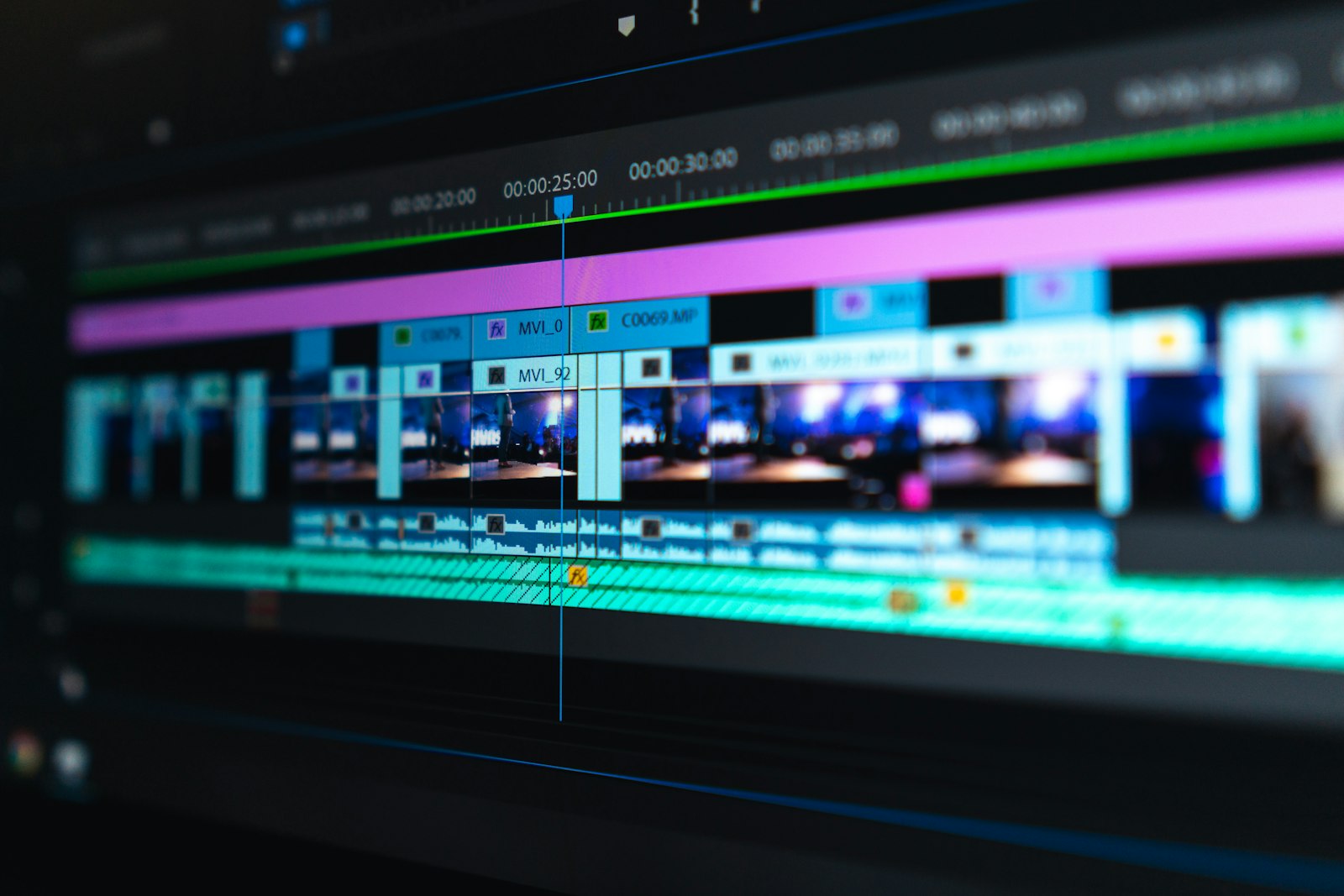
Try editing your next narrative project completely blind. Pull all your best dialogue selects and build the emotional arc on the timeline with your monitor turned off. If the audio tells a compelling story, the visuals will simply serve to amplify it.
"The best cut is the one the audience never sees, but always feels."
When you start organizing your timeline by emotional beats rather than visual ones, the "cinematic" quality takes care of itself. Drop the letterboxes. Focus on the feeling.